


Learning to Learn is one of the key skills in the Cambridge Life Competencies Framework, a research-based approach that we’ve designed to fit seamlessly into your teaching and help prepare students to develop life skills beyond learning another language.
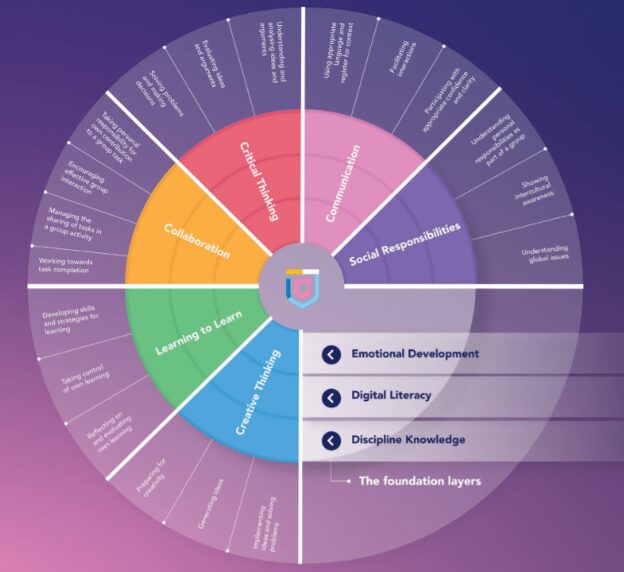
Learning to Learn includes skills such as focusing on tasks, staying motivated, working towards learning goals, and reflecting on progress – all key ingredients for effective independent learning!
Why is it important?
In a world that is always changing, nothing is more important than being able to learn!
Learning to Learn is crucial in helping students of all ages to learn effectively and equipping them to continue learning for life. This means that they will always be able to develop their skills and knowledge, setting them up for success in everything they do.

What does Learning to Learn involve?
Learning to Learn enables children to stay focused on tasks and reflect upon their learning. This includes thinking about their progress, such as what they can remember and what they are proud of, as well as identifying how they feel about their learning and which aspects they have enjoyed most.
For pre-primary learners, Learning to Learn means giving students the tools they need to develop skills which will encourage independence later in their learning journey.
What does this look like in the pre-primary classroom?
Knowing the objectives of a unit or task can help young learners understand how they achieve learning aims and begin to recognise patterns. Classroom routines are vital for establishing familiarity with activities and expectations because they help children become comfortable with recurrent tasks, allowing them to engage without repeated instruction and take more control of their learning.
You can use a variety of visual assessments, self-reflection, and given feedback to help young learners develop their evaluative skills. At first, children will need more structure and prompting, but as they become familiar with the routine, they will gain independence. For example, you could introduce a reflection poster for children to indicate their understanding as a point on a scale as they enter and exit the classroom – the first few times, you might need to work with the children to identify where they might be on the scale, but the more they do this exercise the more confident they’ll feel about reflecting on their progress.
How does Pippa and Pop enable Learning to Learn?
Pippa and Pop lays the foundations for self-reflection, which students will use through their school career as they develop into independent learners.

Learning to Learn resources in Pippa and Pop include picture cards for you to use as prompts at the beginning of each unit and Activity Book sections with stickers for learners to use for self-evaluation.
In the Teacher’s Book, activities that promote Learning to Learn are clearly signposted with a purple shield icon.

How can I encourage Learning to Learn?
There are lots of ways you can embed Learning to Learn in your lessons!
Directed activities prompt children to engage and enable them to develop effective strategies for information retrieval, retention, and comprehension.

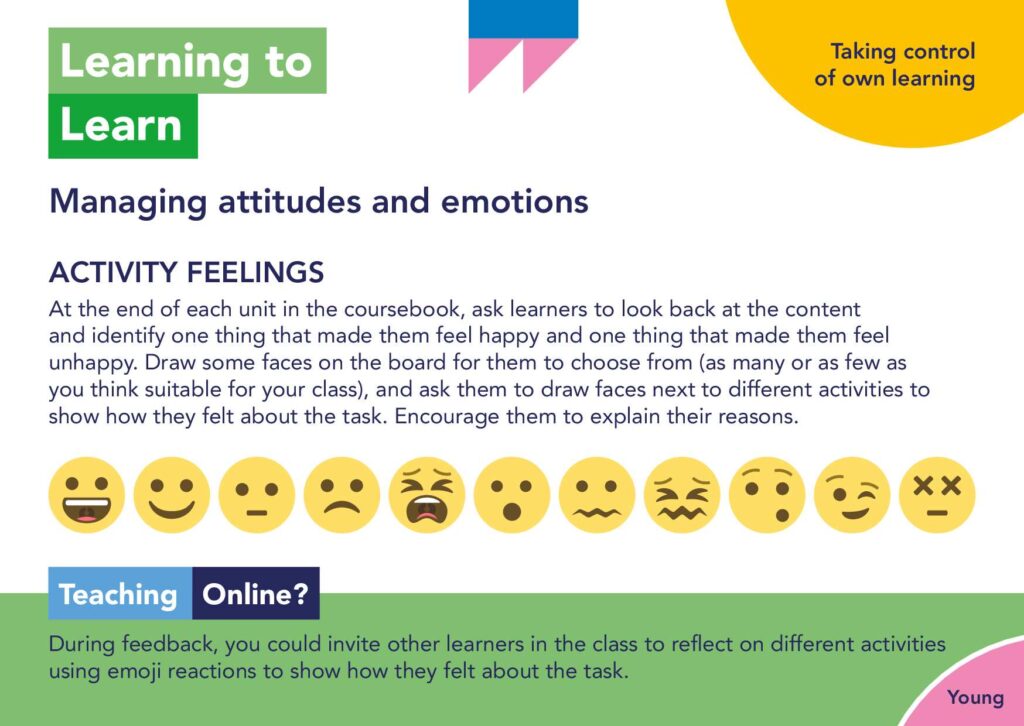
You can encourage children to reflect independently, too. For example, try asking them to draw a picture showing what they have learnt in a lesson or to point out their favourite activity from the unit they have studied.
If your learners need more structure, you could introduce a traffic light system or sliding scale for them to indicate how they feel about a topic – or why not try using a range of emojis to encourage more varied expression?
We hope you and your classes enjoy Learning to Learn with Pippa and Pop!
Want know more about teaching pre-primary learners? Why not watch our Learning To Learn webinar:
Further reading
The Cambridge Life Competencies Framework: Learning to Learn